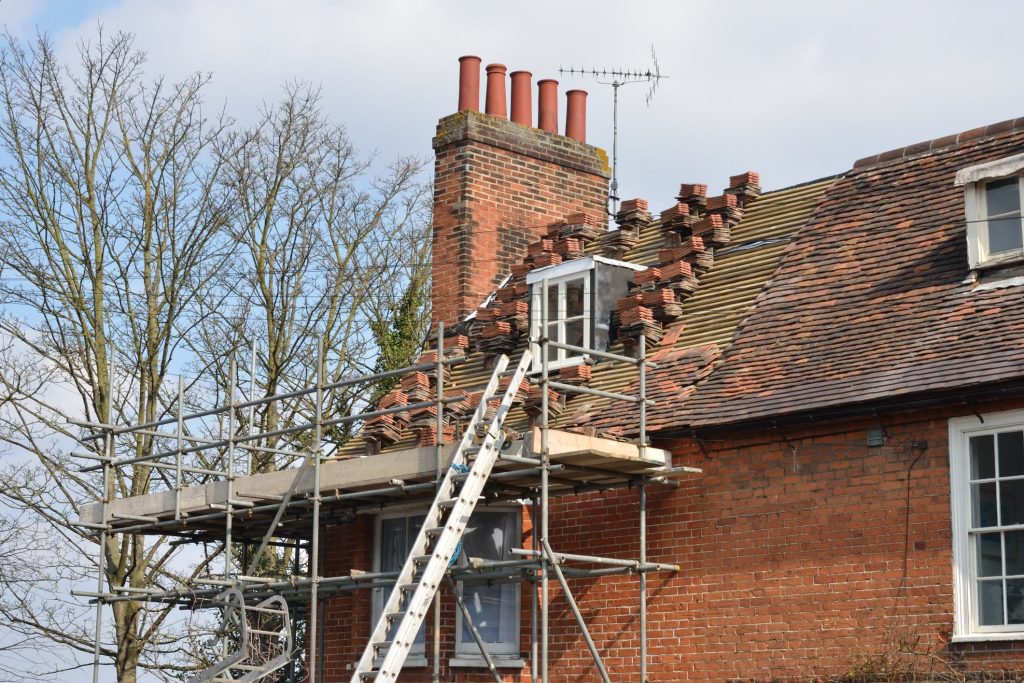
How to Spot a Roof Leak Before It Gets Expensive

Roof leaks rarely start with water pouring through the ceiling. In homes across Reading, Tilehurst, Caversham, and the wider Berkshire area, leaks usually begin quietly. Moisture enters the roof system at a junction or fixing, travels unseen through timbers, insulation, or membranes, and becomes visible only once damage is well advanced.
By the time homeowners in Woodley, Earley, Wokingham, or Bracknell notice staining on ceilings or walls, the leak may have been active for weeks or even months. At that stage, what could have been a straightforward roof repair often escalates into timber decay, insulation failure, or costly internal damage.
This guide explains how to spot a roof leak early, before it becomes expensive. It draws on real inspection findings from residential and commercial properties across Berkshire and the Thames Valley, and explains what to look for, how leaks behave technically, and when professional roof inspection is essential.

Early Warning Signs of a Roof Leak Most Homeowners Miss
Roof leaks often show subtle warning signs long before active dripping appears. These early indicators are frequently overlooked or mistaken for condensation or ageing décor.
Common early signs seen in properties across Caversham, Tilehurst, and Maidenhead include:
- Faint yellow or brown staining on ceilings that slowly darkens over time
- Paint blistering or peeling near ceiling edges or around roof junctions
- A persistent musty smell in lofts or upper-floor rooms
- Insulation that feels heavier, compacted, or damp when checked
- Localised mould growth near chimney breasts or roof slopes
These symptoms usually indicate moisture migration rather than a single visible hole. Water often enters at one point and travels along rafters, roof felt, or insulation before appearing internally, which is why early roof leaks are so often misdiagnosed.
If water is actively entering your property after a storm, our emergency roof repair service in Reading provides rapid stabilisation to prevent further structural damage.
Checking UK Met Office weather warnings helps confirm whether heavy rainfall or high winds were severe enough to cause storm-related roof damage.
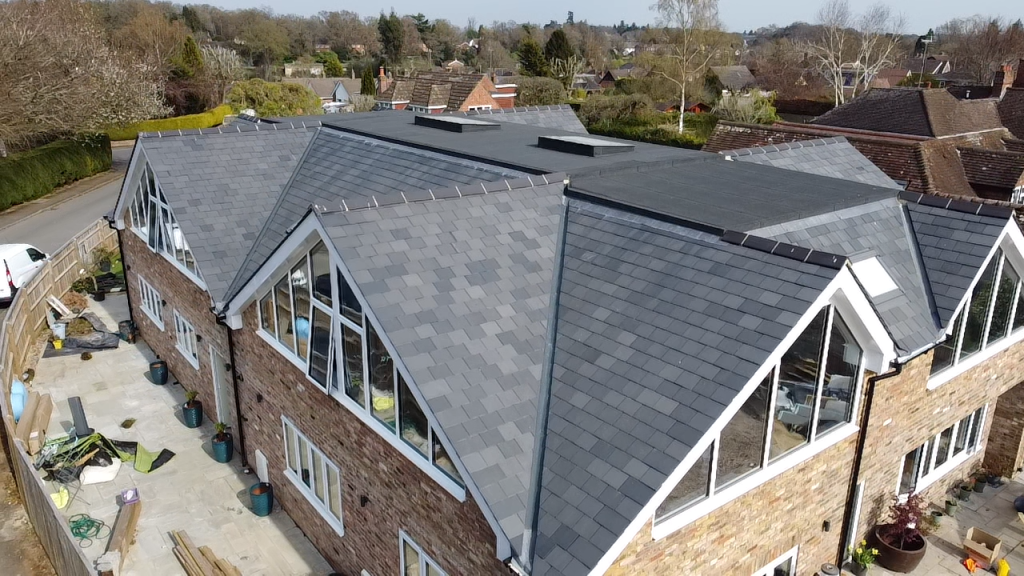
Roof Leak or Condensation? How to Tell the Difference
One of the most common reasons roof leaks become expensive in places like Newbury, Windsor, and Theale is confusion between condensation and rainwater ingress.
Condensation-related issues typically show:
- Even moisture spreads across cold surfaces
- Mould growth on roof timbers rather than concentrated ceiling stains
- Water droplets on the underlay during cold weather
- Symptoms that worsen in winter regardless of rainfall
Roof leaks, by contrast, usually present as:
- Localised damp patches or staining
- Symptoms that worsen after heavy rain or storms
- Wet insulation directly beneath roof coverings
- Moisture tracking along specific structural members
A key professional insight is that condensation and roof leaks can coexist. Poor ventilation in loft spaces around Earley or Woodley can trap moisture from both internal humidity and external water ingress, accelerating decay. Correct diagnosis is essential before any repairs are undertaken. A professional roof inspection and condition survey allows experienced roofers to trace moisture paths accurately and identify the true cause of recurring leaks.
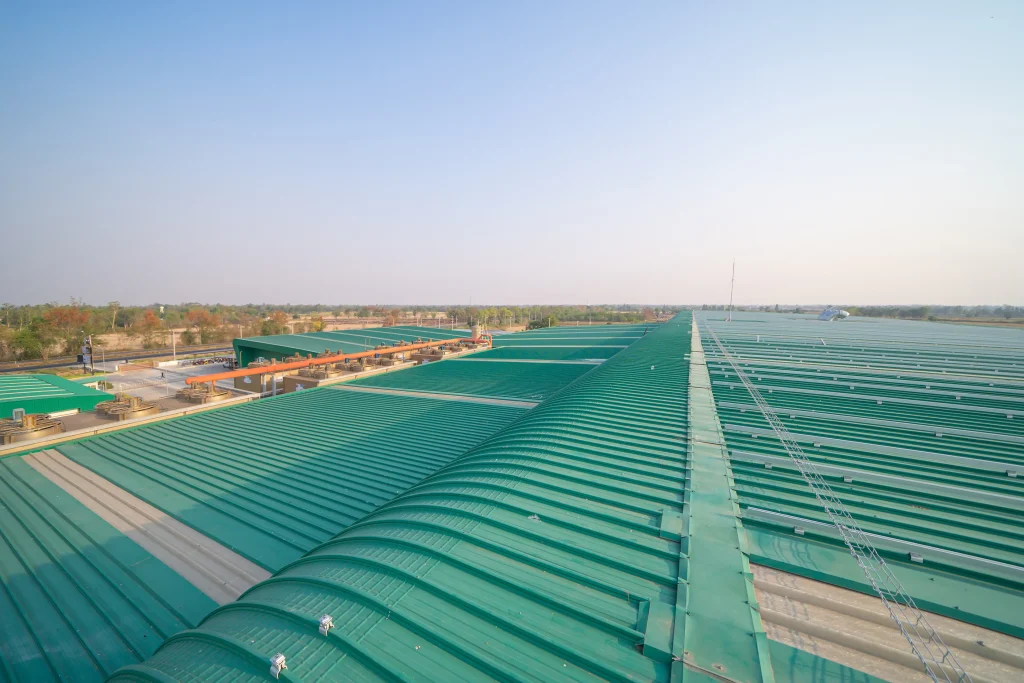
Where Roof Leaks Actually Start on Pitched Roofs
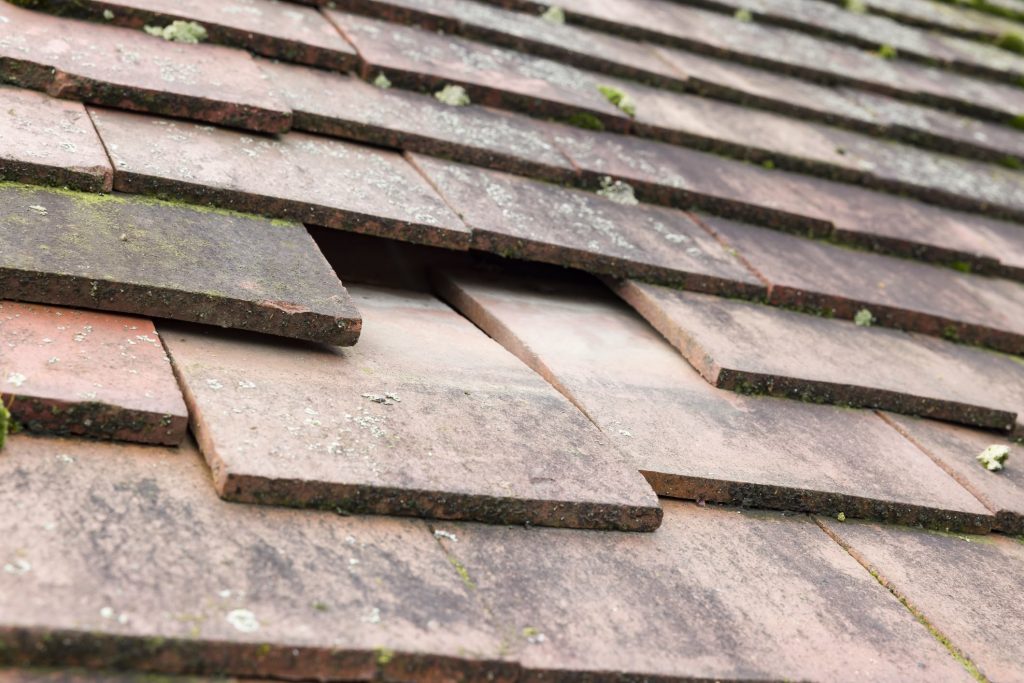
On pitched roofs, leaks rarely originate from the centre of intact tiles. In Berkshire homes, they almost always begin at junctions, transitions, or fixings.
The most common pitched roof leak sources include:
- Lead flashings around chimneys, dormers, and abutments
- Ridge systems where mortar has cracked, or fixings have failed
- Nail fatigue where tile fixings have loosened over time
- Valleys blocked by moss or debris
- Underlay deterioration beneath tiles after prolonged exposure
Wind-driven rain is a major factor across exposed areas, including Windsor, Bracknell, and parts of Wokingham. During storms, water is forced uphill and sideways, bypassing tiles that appear sound in dry conditions. This is why roof leaks often appear after storms, even when tiles look intact from ground level. If you have a roof leak after the recent harsh weather conditions, visit our storm damage roof repairs page for expert advice.
Guidance from the NHBC technical zone highlights that defects in roof junctions, ventilation, and drainage commonly cause long-term water ingress.
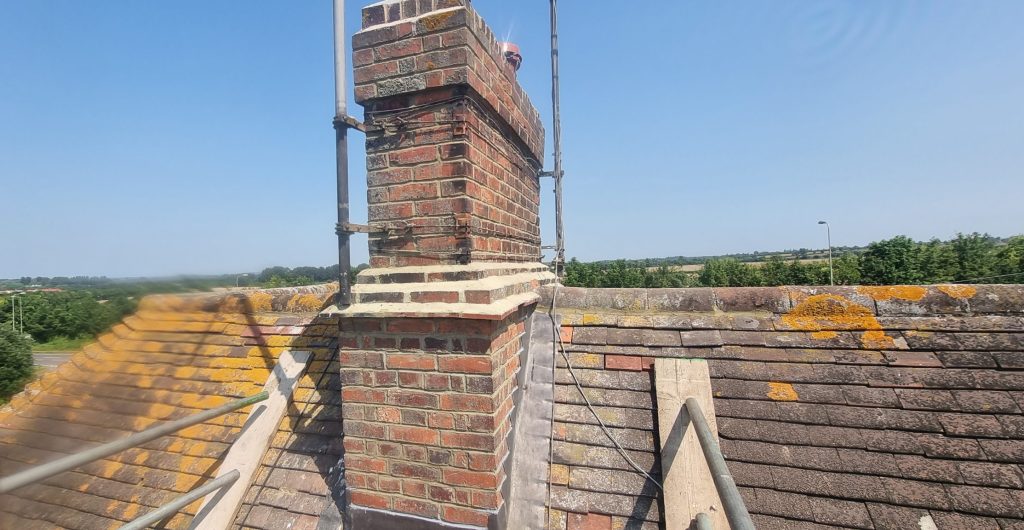
Flat Roof Leak Warning Signs on EPDM, GRP, and Felt Systems
Flat roofs are common on extensions and garages across Reading, Tilehurst, and Newbury, and they require specialist inspection methods. Many flat roof leaks are caused by design or detailing issues rather than obvious surface damage.
Early flat roof leak indicators include:
- Standing water remaining more than 48 hours after rainfall
- Soft or spongy areas underfoot indicate trapped moisture
- Hairline cracking or blistering on older felt systems
- Lifting or shrinking at membrane edges and upstands
- Internal leaks appear several metres away from the external fault
A critical technical insight is that water migrates laterally within flat roof build-ups. The visible leak inside a property in Maidenhead or Caversham is often far from the actual entry point. Effective leak detection focuses on falls, outlets, vapour control layers, and junction detailing, not surface appearance alone.
Leaks on extensions and garages are often linked to ageing membranes, which is why specialist flat roofing systems require detailed inspection of seams, outlets, and falls.
What to Do Immediately If You Suspect a Roof Leak
Early action can dramatically reduce repair costs. The aim is to limit damage and preserve evidence, not to carry out DIY repairs.
Immediate steps include:
- Photograph visible staining or moisture as soon as it appears
- Check loft spaces during or shortly after rainfall if safe
- Avoid puncturing ceilings or disturbing insulation
- Clear accessible gutters and outlets to reduce overflow risk
- Note the weather conditions when symptoms worsen
Avoid applying sealants or temporary fixes without inspection. Improper patching often redirects water deeper into the roof structure and complicates professional roof repairs later.
What Insurers Look for After Storm-Related Roof Damage
When roof leaks follow storms in areas like Windsor, Bracknell, or Theale, insurers assess whether the damage was sudden or the result of long-term deterioration.
Insurers typically expect:
- Evidence of recent severe weather
- Proof that the roof was reasonably maintained
- Identification of the specific failure point
- Photographic documentation and inspection reports
- Evidence of temporary mitigation to prevent further damage
Professional roof inspection reports from experienced roofers carry significant weight. They clearly explain cause, timeline, and repair scope, helping to avoid delays or disputes during claims.
When a Small Roof Leak Becomes a Major Repair
Roof leaks become expensive when moisture remains undetected within the roof structure. Over time, this leads to secondary failures.
Common escalation issues seen across Berkshire include:
- Timber rot in battens, rafters, or roof decking
- Saturated insulation is causing heat loss and condensation
- Corrosion of fixings and metal components
- Ceiling collapse from prolonged moisture exposure
- Mould growth requiring specialist remediation
In many cases, the original leak repair is relatively minor. The cost comes from delayed detection and avoidable secondary damage.

When to Book a Professional Roof Inspection
Professional roof inspection is recommended if:
- Staining reappears after redecoration
- Leaks occur intermittently with no clear pattern
- Flat roof ponding persists despite clear outlets
- Loft insulation feels damp or compressed
- Previous repairs have failed to resolve the issue
Modern inspections across Reading, Caversham, and the wider Thames Valley use targeted methods, including drone surveys, moisture detection, and junction analysis. This allows accurate diagnosis without unnecessary disruption.
Final Advice From Your Local Reading Roofing Professional
Roof leaks do not resolve themselves. They either remain hidden and worsen or become visible after significant damage has already occurred. The most cost-effective approach is early diagnosis by experienced roofers who understand how water behaves within real roof systems.
CRS Roofing provides professional roof leak detection, inspections, and repairs across Reading, Tilehurst, Woodley, Earley, Wokingham, Bracknell, Maidenhead, Windsor, Newbury, and Theale. Our diagnostic first approach identifies the true cause of leaks and delivers clear, long-lasting solutions rather than temporary fixes.
If you suspect a roof leak, do not wait for visible damage. Book a professional roof inspection and address the issue while it is still manageable. Early action protects your property, reduces repair costs, and gives you confidence that the problem has been fixed properly.