Emergency Roof Repairs: What to Do After Storm Damage
Storm damage to a roof is one of those problems homeowners hope they never face. Unfortunately, in the UK, strong winds, heavy rain, and sudden storms make roofing emergencies increasingly common. As a leading provider of emergency roof repairs in Berkshire, we are happy to help you identify what to do after storm damage, how to identify serious roofing problems, and when emergency roof repairs are essential.
When damage occurs, the actions you take in the first few hours can significantly affect repair costs, safety, and long-term property damage.
Why Storm Damage to Roofs Is So Serious
Your roof is your home’s first line of defence. When it is compromised, even slightly, water and wind can cause rapid secondary damage.
Common consequences of storm-damaged roofs include:
- Water ingress leading to damp, mould, and rot
- Structural timber damage
- Electrical hazards from water penetration
- Escalating repair costs if left unaddressed
Many homeowners underestimate roof damage because it is not always visible from the ground.
The Emergency Roof Repair Guide
Step 1: Put Safety First
Before inspecting anything, prioritise safety.
Do Not:
- Climb onto the roof during or immediately after a storm
- Touch fallen power lines or damaged cables
- Attempt temporary repairs in high winds
Do:
- Keep people away from affected areas
- Isolate water leaks indoors where possible
- Call emergency services if there is immediate danger
Important: A damaged roof can be unstable even if it looks intact. Always assume risk until assessed professionally.
Step 2: Identify Signs of Emergency Roof Damage
Not all roof damage is apparent. Some of the most serious problems appear inside the property.
External Warning Signs
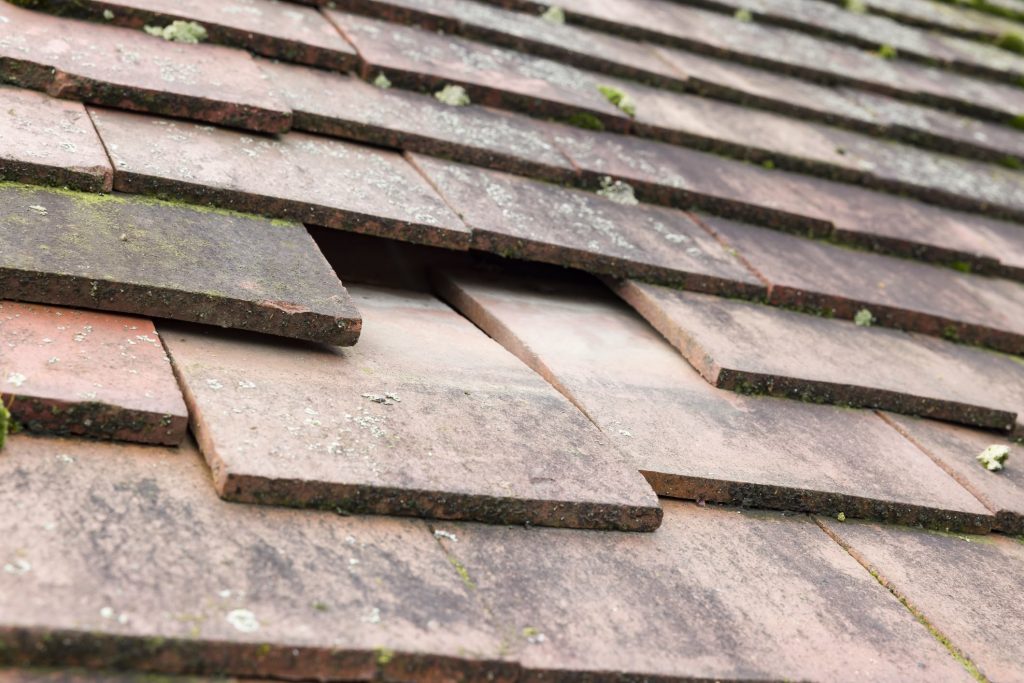
- Missing or slipped roof tiles or slates
- Damaged ridge tiles or flashing
- Sagging roof sections
- Debris on the roof or in gutters
Internal Warning Signs
- Water stains on ceilings or walls
- Dripping water or sudden leaks
- Damp smells or visible mould
- Bulging plasterboard
Visit our storm damage roof repairs page for specialised assistance and advice.
Beyond the Obvious: What a Professional Eye Catches
While homeowners can spot missing tiles or obvious leaks, a professional Reading roofer focuses on the subtle, often hidden indicators that signal impending or existing structural compromise.
For instance, granule losson asphalt shingles, though seemingly minor, indicates the protective layer is eroding, leaving the matting vulnerable to UV and water. This isn’t just cosmetic; it significantly shortens the roof’s lifespan.
Our roofing experts meticulously inspect flashingaround chimneys, skylights, and valleys, not just for visible tears, but for subtle lifting, compromised sealant, or corrosion that allows water ingress. These are often the first points of failure during heavy rain.
A key professional observation is the ‘domino effect’ of wind damage. High winds don’t always rip off entire sections; often, they lift individual tiles or slates just enough to break their seal or dislodge their fixings. This creates an aerodynamic vulnerability, allowing subsequent gusts to exploit the weakness, pulling more tiles free or compromising the crucial underlaymentbeneath.
Even if tiles appear to be in place, the underlayment, the waterproof barrier beneath the visible roofing material, can be creased, torn, or punctured, leading to slow, insidious leaks that might not manifest internally for weeks or months.
We also check for ‘nail pops’ or subtle distortions in the roofline that suggest underlying decking or rafter damage from impact or prolonged stress.
The integrity of the roof’s ventilation system, including soffit and ridge vents, is also critical; storm debris can block or damage these, leading to attic condensation and mould issues long after the storm has passed.
These are the essential details that prevent minor problems from escalating into costly structural repairs, highlighting why a thorough, professional inspection is indispensable for true peace of mind and long-term property protection.
Key Point For Property Owners: Even a small leak can allow litres of water into a property during prolonged rainfall. Early action prevents long-term structural damage.
Step 3: Prevent Further Damage Where Possible
If it is safe to do so, take steps to minimise damage while waiting for professional help.
Temporary Measures
- Place buckets or containers under leaks
- Move furniture and valuables away from affected areas
- Use plastic sheeting indoors to divert water
- Turn off the electricity in affected rooms if water is present
Avoid makeshift roof repairs unless advised by a professional roofer. Incorrect temporary fixes can worsen damage or create safety hazards.
Step 4: Call an Emergency Roofing Specialist
A roof inspection should be assessed by an experienced roofing contractor as soon as possible.
What Emergency Roofers Do
- Assess damage safely using proper access equipment
- Secure loose materials
- Install temporary weatherproofing if needed
- Identify whether repairs or replacement are required
- Provide clear advice and documentation
Emergency roof repairs are about stabilising the situation, not rushing into unnecessary replacement.
Common Types of Storm Damage Requiring Emergency Repairs
Wind Damage – High winds can lift tiles, dislodge ridge caps, and loosen flashing. Once wind has created an entry point, rain quickly follows.
Heavy Rain and Leaks – Blocked gutters or compromised membranes allow water to track into ceilings and walls.
Falling Debris – Branches and airborne debris can crack tiles or puncture flat roofs.
Flat Roof Failures – Flat roofs are particularly vulnerable to pooling water, membrane damage, and drainage issues during storms.
What About Insurance Claims?
Your home insurance may cover storm damage, but insurers usually require prompt action.
Best Practice for Insurance
- Take photographs of visible damage if safe
- Keep records of temporary measures
- Obtain a professional assessment
- Do not delay reporting the issue
Important Note For Property Owners: Delayed repairs can sometimes invalidate insurance claims if further damage occurs due to inaction.
Emergency Roof Repairs for Landlords and Businesses
Storm damage poses additional risks for rental properties and commercial buildings.
Landlords
- Legal duty to keep properties safe
- Water damage can affect multiple units
- Fast response protects tenants and assets
Commercial Property Owners
- Business interruption risks
- Health and safety compliance
- Protection of stock, equipment, and staff
Emergency roofing support helps minimise downtime and liability.
How to Reduce the Risk of Future Storm Damage
While storms cannot be prevented, damage often can.
Preventative Measures
- Regular roof inspections
- Clearing gutters and outlets
- Addressing minor issues early
- Maintaining flashing and rooflines
Checklist: Annual Roof Health
- Tiles secure and intact
- Flashings sealed
- Gutters flowing freely
- No visible sagging or staining
Preventive maintenance is almost always cheaper than emergency repairs.
Why Professional Emergency Roofing Matters
Emergency roof repairs are not just about stopping leaks. They are about protecting the structural integrity of your property and ensuring safety.
- Proper access and safety systems
- Knowledge of UK roofing construction
- Understanding of repair versus replacement
- Accountability and insurance
This level of expertise cannot be replicated with temporary DIY solutions.
When to Call for Emergency Roof Repairs
Call an emergency roofer immediately if:
- Water is entering the property
- Structural damage is suspected
- Tiles or materials are loose
- A storm has visibly damaged your roof
Early intervention limits damage and cost.
Final Advice from Roofing Professionals
Storm damage can be stressful, but calm, informed action makes all the difference.
Protect safety first, prevent further damage where possible, and rely on experienced roofing professionals to assess and resolve the issue properly.
Emergency roof repairs are about control, clarity, and protection, not panic.
If you ever have concerns after severe weather, professional advice is always the safest next step.