 Skip to content

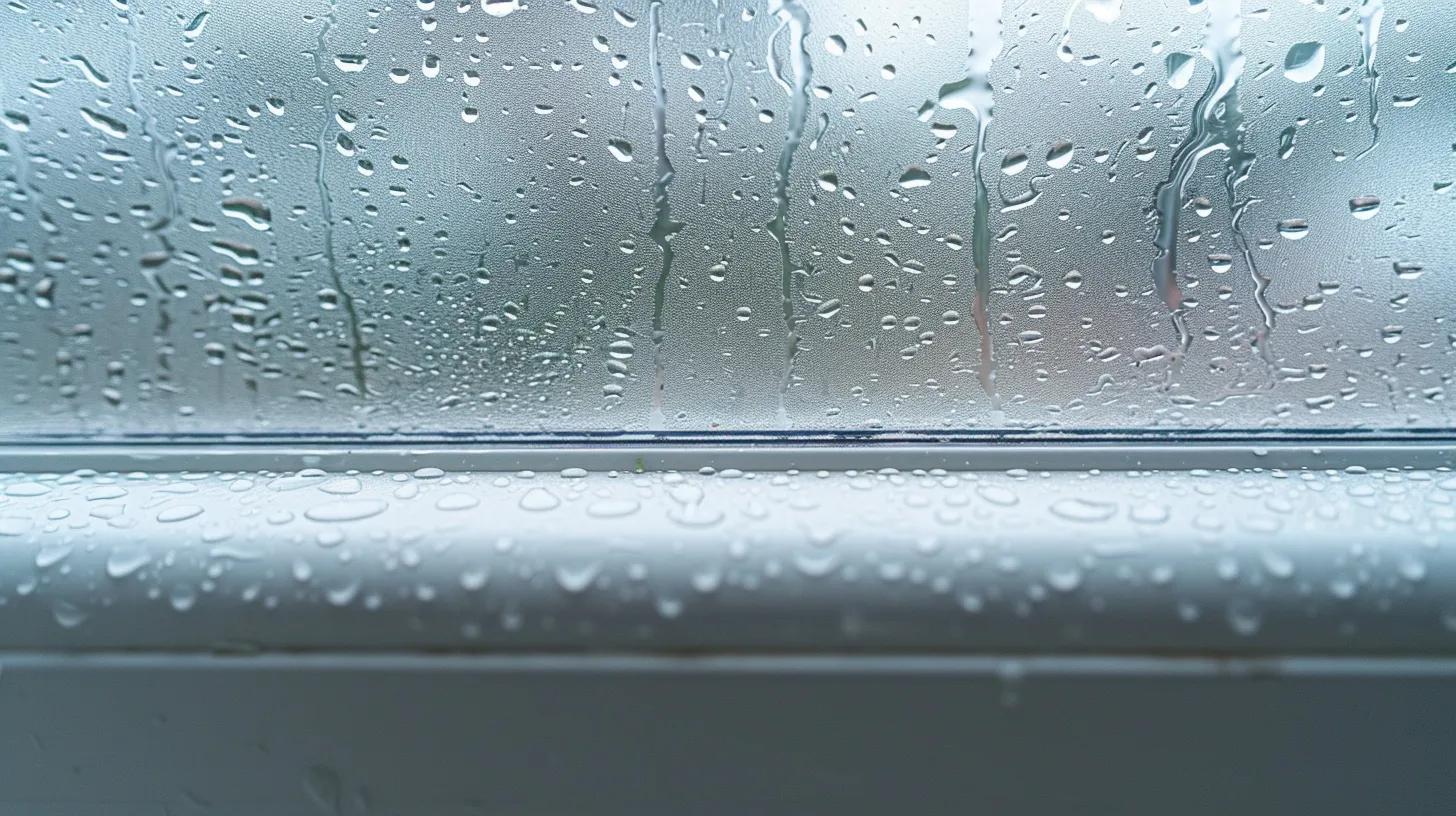
You wake up in the morning, draw back the curtains, and once again your windows are misted over. Sometimes it’s just a light fog. Other times, water has pooled along the frame or trickled onto the sill. You wipe it away, open a window for a few minutes, and carry on with your day — but the next morning, it’s back.
While a small amount of condensation can be normal, especially during colder months, persistent window condensation is often a sign that something deeper is going on inside your home. And in many cases, the real cause isn’t the windows themselves — it’s your roof and loft space.
At CRS Roofing, we regularly see condensation problems that start indoors but trace back to hidden roofing issues. Understanding this connection is the first step towards protecting your home.
The Problem: When Condensation Is More Than a Nuisance
Condensation occurs when warm, moisture-laden air comes into contact with a cold surface. As the air cools, it releases water in the form of droplets. In most homes, windows are the coldest surfaces, which is why condensation shows up there first.
Modern UK homes are far more airtight than they used to be. Improvements such as double glazing, loft insulation and draught-proofing are excellent for retaining heat and improving energy efficiency — but they also reduce natural airflow. This means moisture created by everyday activities like cooking, bathing and drying clothes has fewer escape routes.
A little condensation that clears quickly is generally harmless. However, if your windows mist up daily or remain wet for long periods, it indicates excess moisture trapped inside your home. That moisture doesn’t just affect your glass — it rises.
The Roof Connection Most Homeowners Don’t See
Warm air naturally moves upwards. As it does, moisture from inside your home travels into the loft space. If the roof structure isn’t properly ventilated, that warm, damp air hits cold roof surfaces and condenses — just like it does on your windows.
Over time, this can lead to damp roof timbers, wet felt, mould growth and deterioration of roofing materials. Because this happens out of sight, many homeowners don’t realise there’s a problem until damage becomes more advanced.
Roof defects can also actively contribute to indoor condensation. A small roof leak, slipped tile or damaged detail can allow water into the roof structure. Even if it doesn’t drip through the ceiling, that moisture can evaporate into the air inside your home, increasing humidity levels and making condensation worse.
In short, misty windows are often a visible symptom of an invisible roofing issue.
Why Modern Homes Are More at Risk
Ironically, homes that have been upgraded for comfort and efficiency can be more prone to condensation problems if ventilation isn’t considered at the same time.
Older properties allowed warm air to escape naturally through gaps and draughts. While inefficient, this airflow reduced moisture build-up. When homes are modernised — new windows installed, insulation upgraded — moisture can become trapped if roof ventilation hasn’t been improved alongside these changes.
This imbalance often leads to damp loft spaces, condensation on roof timbers, mould growth and a shortened roof lifespan.
And it all starts with something as simple as misty windows.
What Your Windows Are Telling You About Your Roof
Persistent condensation may indicate one or more of the following roof-related issues:
- Poor loft ventilation, preventing moisture from escaping
- Insulation problems, where warm air enters the roof space or airflow is restricted
- Hidden roof leaks, allowing water to increase indoor humidity
Often, it’s not just one issue. A combination of minor problems can create the perfect conditions for condensation to take hold and worsen over time.
Ignoring these signs doesn’t make them go away — it allows slow, ongoing damage to continue unnoticed.
The Plan: Reduce Moisture and Investigate the Cause
There are sensible steps homeowners can take to reduce condensation indoors:
- Open windows or vents daily to encourage airflow
- Use extractor fans when cooking or showering
- Maintain steady heating throughout the home
- Ensure loft insulation is fitted correctly without blocking ventilation
These measures can help manage moisture levels, and many homeowners notice some improvement. However, if condensation persists despite these efforts, the root cause is unlikely to be inside your living space.
That’s when the roof and loft need professional attention.

How CRS Roofing Helps You Find the Real Cause
At CRS Roofing, we take a practical, honest approach to roofing issues. If condensation keeps returning, we can inspect your roof and loft safely to identify underlying problems.
We look for signs such as:
- Damp or mouldy roof felt
- Moisture on timbers
- Inadequate or blocked ventilation
- Evidence of minor roof leaks or wear
Because these issues develop gradually, homeowners are often unaware of them until an inspection is carried out. Identifying them early can prevent far more costly repairs down the line.
Our role is to guide you clearly, explain what’s happening, and recommend the most appropriate roofing solution — nothing unnecessary, nothing overlooked.
The Result: A Drier, Healthier Home
When condensation problems are addressed at their source, the improvement is noticeable. Windows stay clearer, loft spaces remain dry, and the risk of mould and structural damage is significantly reduced.
More importantly, your roof is better protected — helping it perform as it should for years to come.
If you’ve been unsure whether your condensation is seasonal or a warning sign, it’s always better to investigate sooner rather than later. Persistent moisture can quietly compromise your roof long before visible damage appears indoors.
Don’t Ignore What Your Home Is Telling You
Misty windows might seem like a small inconvenience, but they’re often your home’s way of signalling a deeper issue. Left unchecked, condensation can contribute to roof damage, timber decay and unnecessary repair costs.
If you’re experiencing ongoing condensation and want peace of mind, CRS Roofing is here to help. A professional inspection can reveal what’s really happening above your ceiling and allow the problem to be resolved properly.
Stop treating the symptoms and start protecting your home from the inside out. With the right roofing expertise, you can enjoy a warmer, drier, healthier living space — without waking up to foggy windows every morning.


